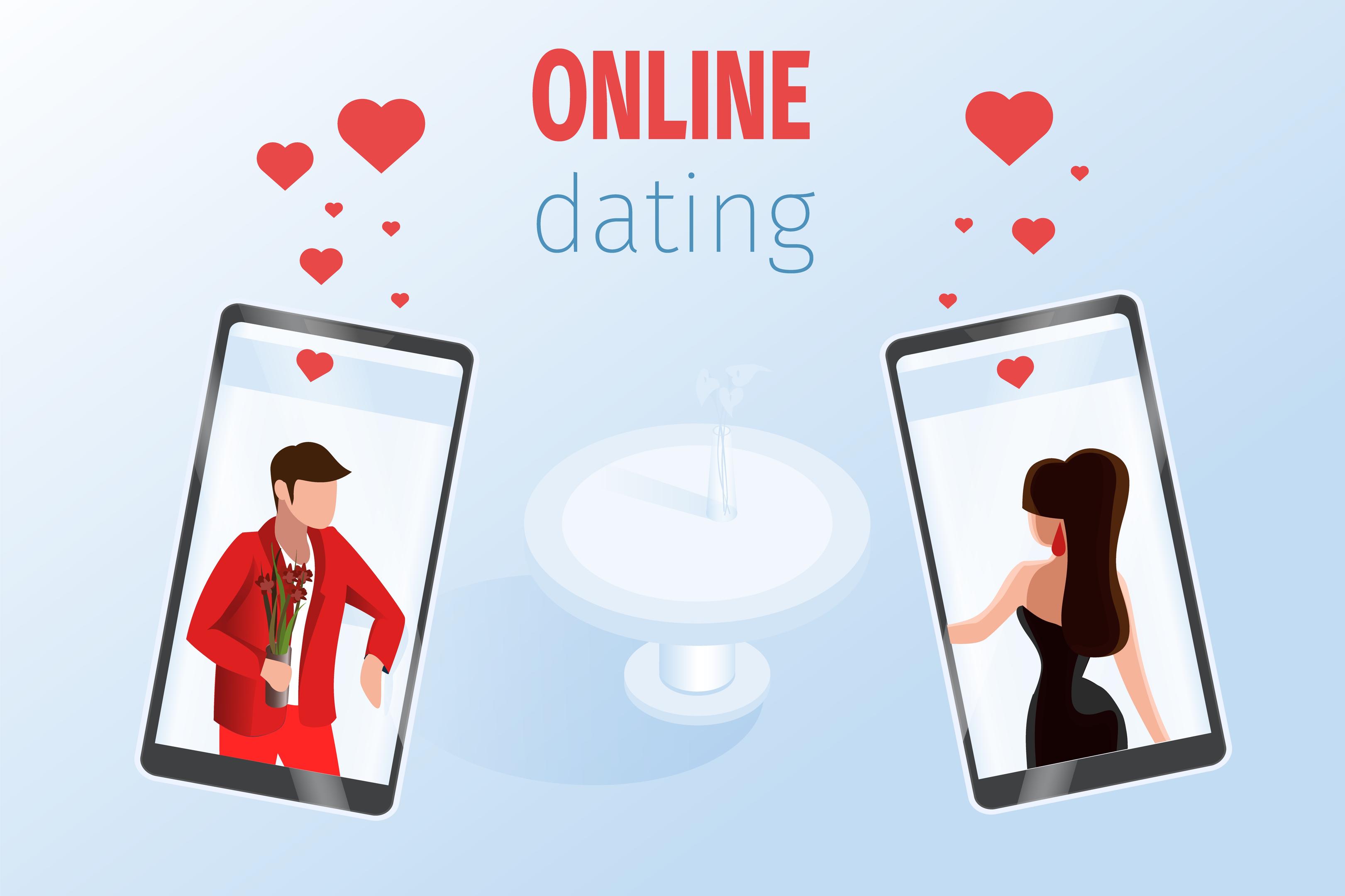
Building a dating app sounds quite appealing. You see individuals matching, chatting, falling in love, and - who knows - even telling their friends, “we met on that app.” But behind this fairly simple idea lies a real challenge - most dating apps themselves don't survive.
Competing intensely are users fatigued from swiping - and their expectations are now higher than they've ever been before. But it's the new platforms that really succeed - especially those that solve very real problems and offer something fresh.
Even established platforms like dating site DoULike.com show there's still room to grow if you truly understand what users want.
If you're wondering how to start a dating app, this guide is going to walk you right through it all, from initial idea validation to actual launch and growth - but without making it overly complicated.
So, how to create a dating site?
How to Start a Dating App: Market Reality in 2026
The dating app market is quite crowded, but it is not impossible. Actually, it is continuously evolving.
Today's users are far more discerning. They do not install apps merely for browsing. They desire actual experiences, superior matches, and less frustration for themselves.
That means if you wish to create a dating app, you need to be very clear about what truly differentiates it from all others.
Why Most Dating Apps Fail
Most apps fail on quite simple grounds. They try to replicate existing platforms, bringing nothing new. Or they start off with too few users, resulting in empty feeds and no matches.
Another major challenge is really bad retention. People do download the app, swipe for a few minutes, become bored, and then leave it.
Building your app is not that difficult. It's keeping people there that poses the real problem.
Key Trends: Ai, Niche Apps, User Fatigue
Right now, three trends dominate the market.
AI is transforming how matches are made. Instead of arbitrary swiping, users are now expecting much more intelligent recommendations.
Niche apps are on the rise. Rather than a “dating for everyone” approach, really effective apps focus on the most specific communities, interests, or way of life.
Then there's user fatigue. People are quite exhausted from all that endless swiping without any tangible results. They're looking for better quality, not just more choices.
If you want to build a dating app yourself, you'll have to think about these realities.
How to Create a Dating App That People Actually Want
The largest mistake entrepreneurs make is beginning with features rather than users. Before you think about your design or technology, think about your people.
Choosing A Niche That Can Win
Pursuing a universal audience is the quickest route to failure. Instead, focus on a niche yourself. It may be based on your way of life, your profession, your interests, or your values.
As an example, create a dating app for athletes. Or artists. Or individuals who prefer to take things at their own pace when dating.
If you build dating app ideas around a niche, you'll have a much clearer sense of identity and attract far more committed users.
Validating Your Idea Before You Build
Before starting to develop a dating site or app, test your idea. Have conversations with your potential users. Conduct some short surveys. Develop a very basic landing page and see if they indicate interest by signing up.
If nobody expresses interest at this point, then building your app won't make it better. Validation will save you time, money, and your sanity.
Defining Your Core Value Proposition
Ask yourself one really simple question. Why would somebody actually use your app instead of all the others?
Your answer needs to be clear, very specific, and easy to understand. This is the basis for creating a dating app.
How to Build a Dating App Like Tinder (Without Copying It)
Many founders, when thinking about how to create a dating app, start saying, "Let's build the next Tinder." That's fine. But copying it exactly won't work.
What Tinder Got Right (Matching, Ux, Simplicity)
Tinder succeeded because it simplified dating itself. Swiping made matching easy. The interface was clean. The experience felt fast and quite intuitive.
If you're going to start a dating app, learn from those principles yourself. Keep things very simple. Make interactions as straightforward as possible.
Why Clones Fail In Today’s Market
Clones fail because users already have Tinder themselves. If your app feels essentially the same, there is no real reason to switch.
To truly be successful with making a dating app, you will need to give users something unique. An even better system for matching. Better actual conversations. Better results at the end of the day.
It's not just another swipe.
How to Build a Dating App: Must-Have Features
Features truly matter. But only the right ones will do.
Profiles, Matching, And Messaging
Every application needs these fundamental elements. Profiles need to feel very personal rather than run-of-the-mill. The matching process should seem highly relevant rather than completely arbitrary. Messaging itself must be very simple and smooth.
If these aspects do not function very well, then nothing else truly matters. Building the heart of a dating application lies here.
Safety, Moderation, And Trust Systems
Trust itself is really quite important. Users would like to feel safe themselves. And that means a profile verification system, reporting tools, and moderation systems to keep everything under control.
Without that trust, users leave quite quickly.
Ai And Modern Features Users Expect
AI is fast becoming part of the standard procedure itself. Smart matching. Conversation suggestions. Profile optimization. These features indeed enhance the user's overall experience and give your application a very modern feel.
If you wish to see how to make dating app ideas really stand out from the crowd, then AI itself is no longer something you can even consider optional.
How to Develop a Dating App: Tech and Process
Now we're going to get into some more technical stuff.
Tech Stack Basics (Frontend, Backend, Real-Time)
Frontend is what the users see. The backend will handle the data and logic. Real-time systems will be responsible for messaging and matching themselves.
Don't go overboard here - just keep it simple and scale as you go along.
Build Vs Outsource
You will have two options here: build in-house or get a team. Building in-house gives you complete control. Outsourcing might work faster and cost less.
Decide on that based on your budget and experience.
Mvp → Testing → Launch
Start off by building an MVP (a minimal version with all the main features). Let real users test it out. Collect their feedback and make improvements. Then launch the thing.
Trying to launch an almost-perfect app only ends up delaying things.
How to Start a Dating App Successfully: The Cold Start Problem
This is actually the most difficult part. You'll need to attract more users. However, right now, you still don't have those initial users.
Why Buying Traffic Doesn’t Work
It is true that with paid ads, you will get some downloads. Nonetheless, this may not make people engage with your app.
As for traffic, as long as it does not translate into any connections, then it is completely useless.
Liquidity Explained Simply
When many people use the app at the same time, it has liquidity. In such cases, applications appear full, while in others they appear empty. It also leads to natural and smooth matches.
Smart Launch Strategies (Niche, Events, Communities)
Begin from somewhere very small. Focus everything in one small town or community first. Partner with events. Create a core group of true fans who are engaged with your product. And that’s how top apps naturally grow over time!
Build a Dating App That Grows: Acquisition and Retention
Actually, this step is just the beginning.
Getting Your First Users
Utilize communities, social media, and word of mouth. Focus on individuals already in your industry, as they are more likely to remain.
Why Retention Matters More Than Downloads
Many downloads may appear impressive, but in reality, retention is what matters. No growth would be experienced if users fail to return. Ensure continued interest among the populace.
Simple Growth Loops That Work
When users invite their friends, growth feels completely natural. When matches start a conversation, users hang out for longer. Those loops truly drive your success.
How to Make a Dating App Profitable
Making money is key. But timing really matters when you're building a dating app.
Subscription Vs Freemium Models
Freemium will work quite well. The essential features are free. The premium ones will be paid for. Subscriptions will provide you with a steady stream of income.
Paid Features (Boosts, Likes, Visibility)
Users pay for exposure itself. Boosts. Super likes. Profile highlights. These features really boost user interaction and your revenue, too.
How to Start a Dating Site vs App: What to Choose
Some founders have to decide whether to build a website or an application.
Key Differences In Growth And Ux
Applications are much more engaging. Notifications draw users back in. Websites are relatively simple to get online, but very difficult to hold onto your users. In many cases, applications do outperform websites for dating.
How to Create Your Own Dating App: Costs and Timeline
Creating an app will require your resources.
Mvp Cost And Team Setup
An initial MVP may cost anywhere from a few thousand to tens of thousands of dollars, depending on complexity. You'll need developers, designers, and perhaps a product manager.
Timeline And Key Risks
Building development itself will take a few months. The greatest risks you will face are performing poorly validated work and achieving a very low retention rate. Planning really does help mitigate these risks.
How to Build a Dating App That Wins in 2026
Winning apps don't simply copy. They evolve.
Differentiation Beyond Swiping
Think beyond swiping. Better conversations, real-life connections, and meaningful interactions are what this means. This is where innovations happen.
Community And Real-Life Integration
The future of dating applications isn't all about being online. Events, meetups, and community features really get people together offline.
Applications that bring together the best parts of both online and offline experiences will truly stand out.
Conclusion
Starting a dating app in 2026 is quite challenging, but it is by all means quite possible. The key is not creating the most complex platform. It's creating something people really will want to use.
Focus on a very clear idea. Start small. Test right away. And always prioritize the user experience over features themselves.
Dating apps are not simply products. They are entire ecosystems for making connections. If you get that right, growth will follow.
And who knows - your app might just be the place where someone's story starts.

 Entrepreneurship