The business press often explains indie success through studios, funding rounds, or tech startup acquisitions of indie games. Players do not buy an org chart. They buy a game that communicates a fantasy quickly, rewards another session, and gives them something worth discussing afterward.
This list is therefore game-first. Schedule I, Factorio, Valheim, Stardew Valley, and Balatro reached enormous audiences through different genres and release models, but each has a visible product engine behind its growth. The useful question is not which team got lucky. It is what the game repeatedly does for the player.
For an indie game startup, the cheapest honest version of Buildd's principle of validating a startup idea with minimum investment is a playable slice that tests the core promise before the full content budget is committed. A trailer can test interest; only play can test whether the loop survives repetition.
Commercial estimates for the following five game titles are Gamalytic data for Steam copies sold and gross base-game revenue.
1. Schedule I: 8.6M copies sold, $149.1M gross revenue
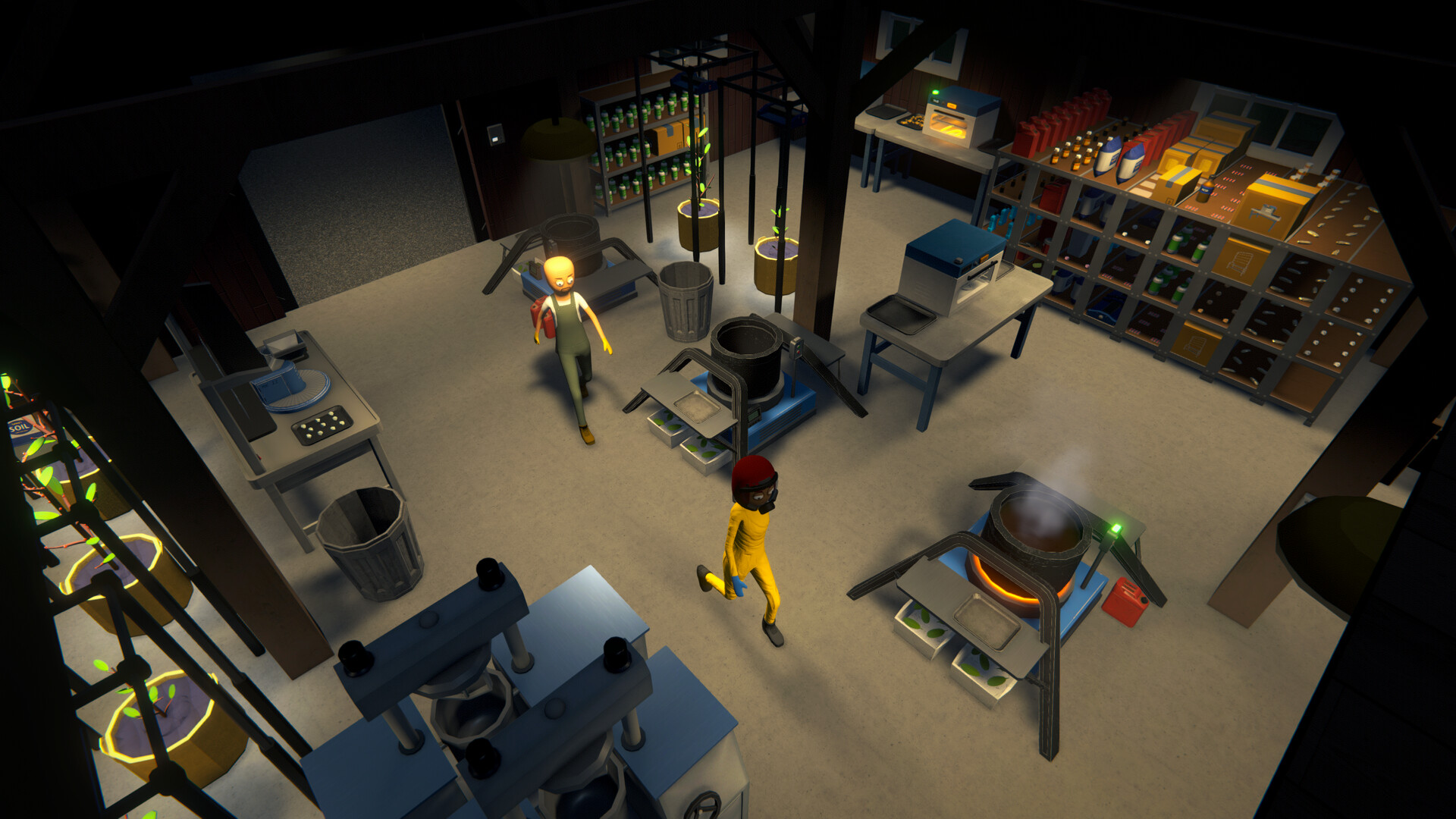
Schedule I starts with an instantly legible fantasy: build an illegal business from nothing. The player produces goods, finds customers, moves inventory, manages risk, buys property, hires workers, and gradually automates distribution. Each new system changes the decisions inside the previous one instead of simply adding another mission marker.
That interaction is why the game is so watchable. A delivery can become a chase; a production plan can fail because of timing, cash, or co-op coordination; an efficient operation can create a larger problem worth solving. TVGS launched Schedule I in Early Access in March 2025 with manufacturing, distribution, employees, properties, automation, and online co-op already reinforcing the same fantasy. Its breakout came from a system that continuously manufactures player stories, not from a large campaign.
What to borrow: Do not script every memorable moment. Combine a few understandable systems so players can create outcomes the team did not have to author one by one.
2. Factorio: 6.1M copies sold, $171.3M gross revenue
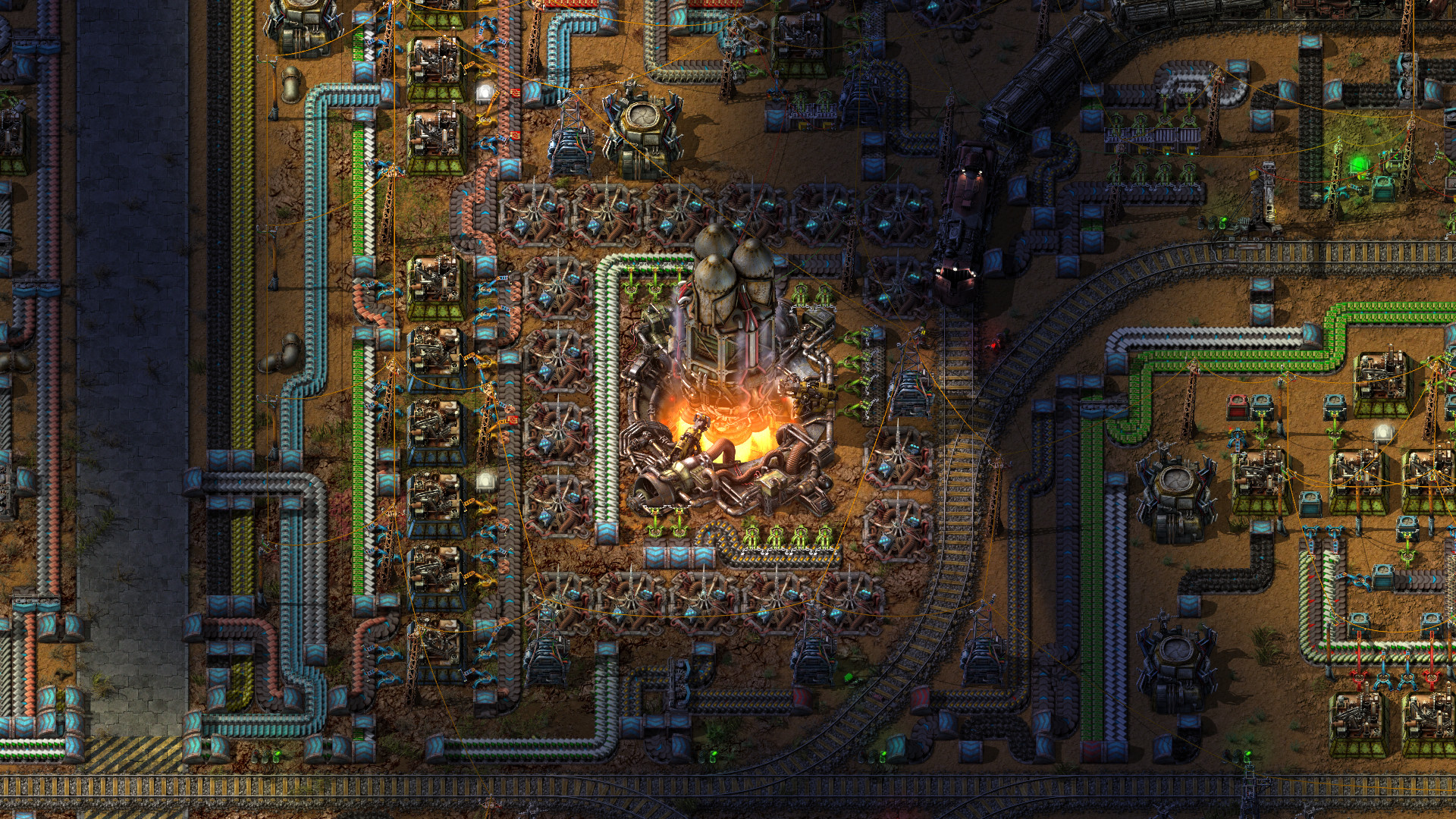
Factorio turns a basic frustration into its main reward. The player performs a task manually, automates it, discovers that the automated line has a bottleneck, and redesigns the factory at a larger scale. Progress does not retire the core loop. It reveals a more demanding version of the same loop.
That structure supports unusually deep mastery without requiring a conventional stream of levels. Blueprints, logistics, trains, multiplayer, and mods all extend the player's ability to reason about throughput. Development ran from spring 2012 to early 2021. The long schedule worked because years of iteration deepened one coherent machine rather than accumulating unrelated features.
What to borrow: Build progression that changes the scale of the player's thinking. A strong loop can generate its own advanced content when each solution creates a better problem.
3. Valheim: 16.5M copies sold, $208.2M gross revenue
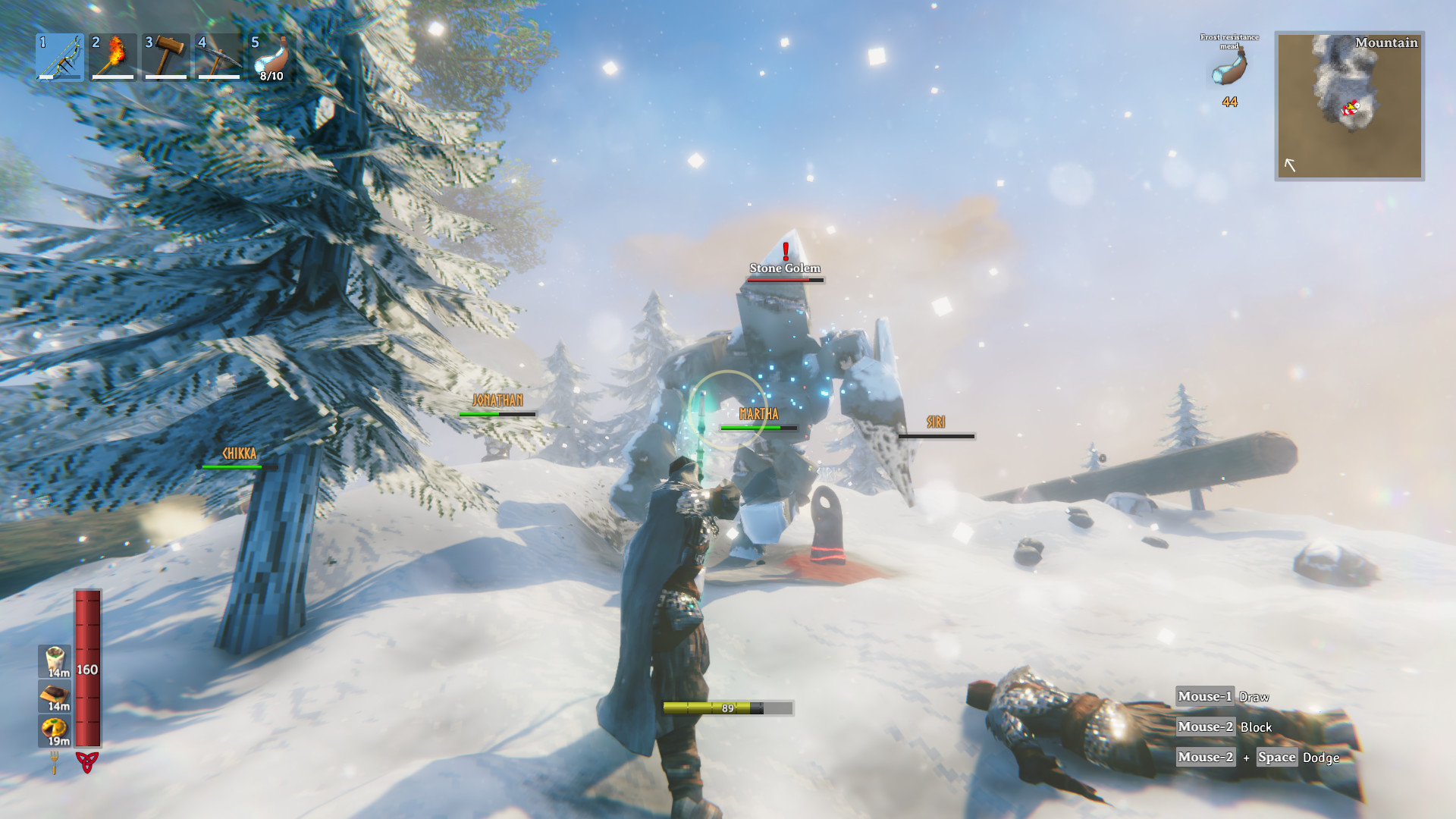
Valheim uses familiar survival ingredients, but its strongest content generator is the group. One player scouts, another builds, another gathers food, and everyone eventually meets at a boat, a base, or a boss fight. Preparation is meaningful, yet flexible enough for a group to divide the work and recover from mistakes.
The visual direction also does more than chase detail. Readable silhouettes, dramatic lighting, weather, and large environmental shapes make a technically modest world feel distinctive in motion and in screenshots. Valheim began as a solo project in 2017 and entered Early Access in 2021. Its scale came from a loop in which players create shared labor, shared risk, and shared memories.
What to borrow: In co-op, some friction is productive. Give players goals that are easier together, then let them decide who prepares, explores, builds, and improvises.
4. Stardew Valley: 30.8M copies sold, $276.8M gross revenue
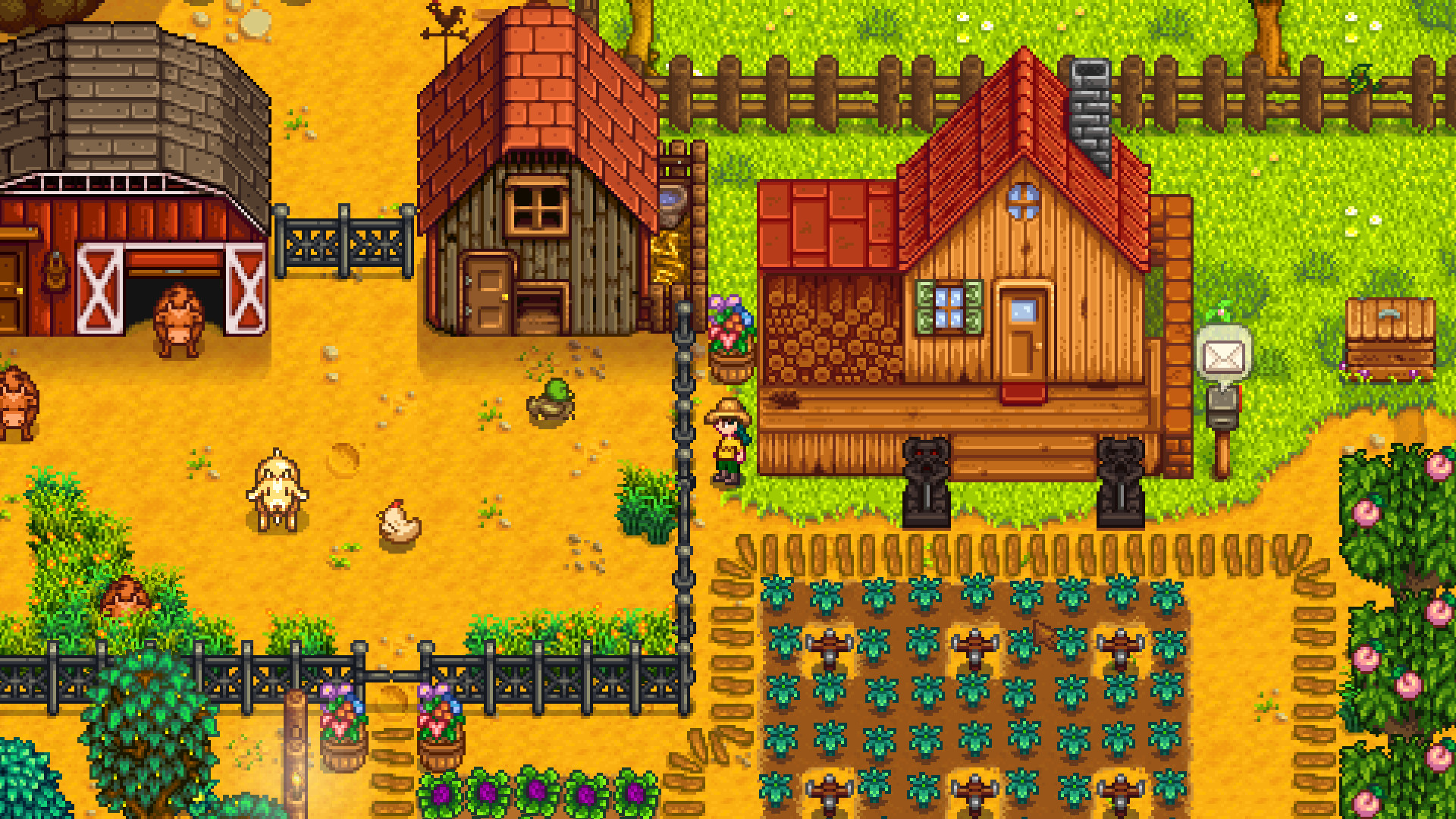
Stardew Valley is deep, but it does not introduce itself as a spreadsheet of systems. Its promise is emotional: leave an exhausted life, restore a neglected farm, and become part of a community. Farming, fishing, mining, crafting, relationships, seasons, and collection all fit inside that understandable change of life.
The daily clock gives each session a natural shape, while long-term goals keep small routines meaningful. Crucially, players can choose which systems matter to them without losing the central fantasy. Eric Barone spent four years developing the game solo before release. The breadth arrived behind a front door anyone could understand.
What to borrow: State the emotional outcome before explaining the feature set. Depth is easier to discover when the player already knows what kind of life, role, or transformation the game promises.
5. Balatro: 6.2M copies sold, $75.1M gross revenue
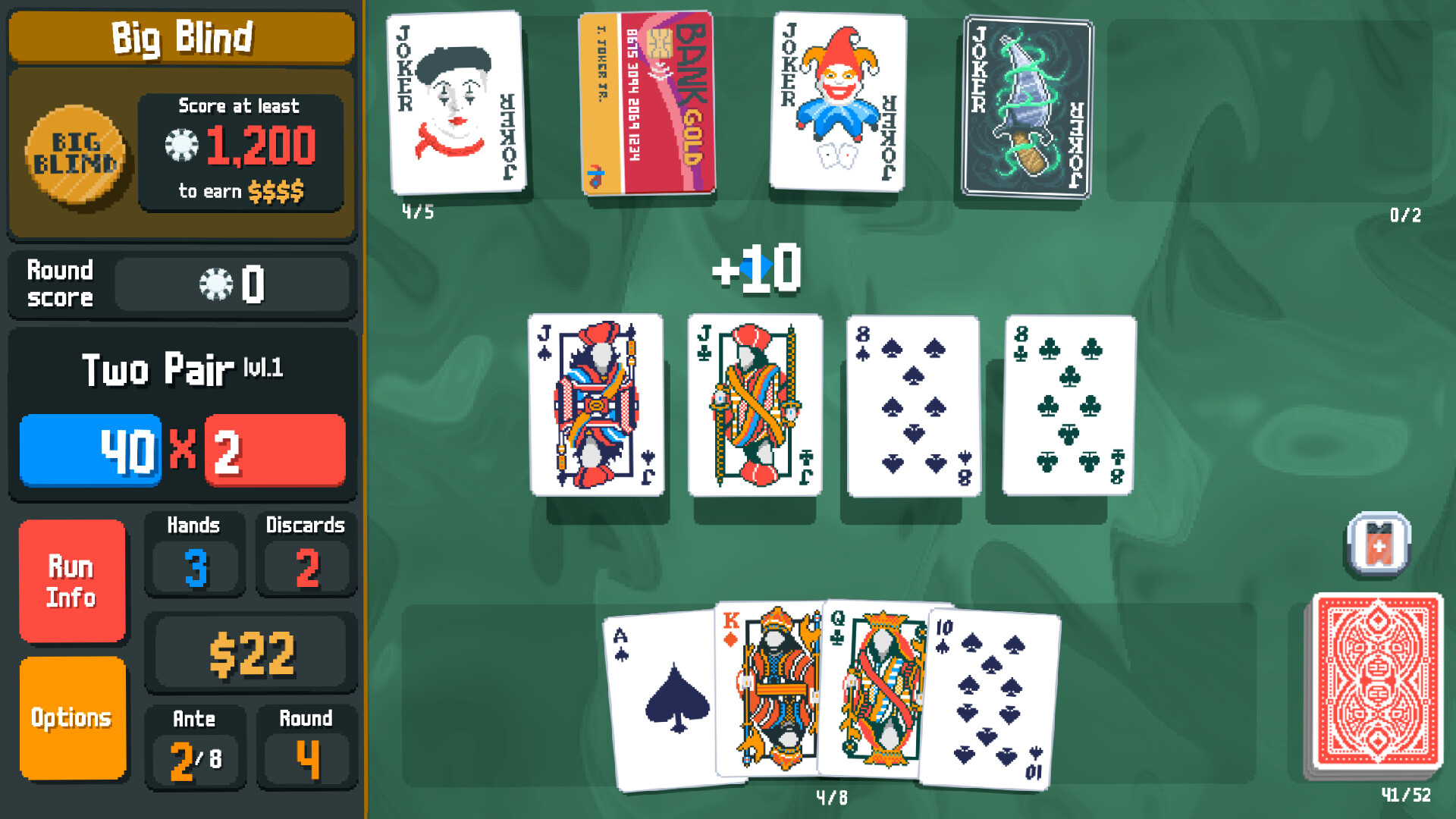
Balatro borrows the recognition of poker hands without becoming a poker simulation. A new player already understands pairs, straights, and flushes; jokers, deck changes, multipliers, and escalating blinds then bend those familiar rules into a dense roguelike economy. The game spends very little time teaching its basic vocabulary, so it can move quickly into surprising combinations.
Every run produces a compact theory: this joker might scale with that deck, this card edit might rescue the build, and one more shop might complete the engine. Those theories are easy to show in clips, screenshots, and conversations because the UI makes cause and effect visible. Its accessibility came from familiarity; its retention came from combinations.
What to borrow: Use a known language to lower the cost of entry, then create depth by changing how familiar pieces interact. Easy to recognize does not have to mean shallow.
What these successful indie games have in common
The five games do not share a genre, art style, team size, or launch strategy. They do share a few product properties: the fantasy is legible quickly, the core loop survives repetition, the systems create more situations than the team could author manually, and the game produces visible proof that other players can understand.
Game production can also be divided into two large workloads, roughly like the backend and frontend of a software startup. The mechanics layer contains code, systems, data, balancing, and tools; the player-facing layer turns those systems into readable characters, environments, animation, VFX, UI, and HUD. The analogy is imperfect because visual feedback can be part of the mechanic, but it exposes the staffing problem: indie and solo teams rarely have enough specialists to carry both layers at full depth. A common model is to keep the core loop and art direction close while using game art services to produce engine-ready assets to the agreed style and technical specifications, then integrate those assets into the same build, test, and release cycle.
That split only works after the game has a clear visual language and asset definition. Outsourcing an undefined style exports confusion. Outsourcing bounded asset batches after the team has approved the look, budgets, naming, engine setup, and review path adds capacity without moving ownership of the game itself.
Is there an average development time for successful indie games?
There is no useful average development time for successful indie games. Stardew Valley took four years before release. Factorio developed for nearly nine years before its early-2021 endpoint. Valheim moved from a 2017 solo project to Early Access in 2021. Schedule I spent more than three years in development before its 2025 Early Access launch and continues to evolve.
A calendar average hides the question that matters: did each phase reduce a real risk? Useful milestones prove the fantasy, the repeatable loop, the content standard, distribution, retention, technical stability, or production throughput. Time spent generating evidence can be rational. Time spent expanding an unproven game is just a larger bet.
How to make a successful indie game: five practical checks
Write the player promise in one sentence. Describe the role or transformation, not the list of features.
Prototype the repeatable decision. Test what players will do for the tenth time, not only what impresses them once.
Look for a content-generating system. Automation, combinations, co-op coordination, routines, and risk can create variety without a matching increase in authored content.
Budget mechanics and the player-facing layer separately. Keep ownership close, but add specialist capacity where art, engineering, QA, ports, or operations become the constraint.
Plan for the success case. What makes an indie game successful is a clear promise that survives scale, supported by reliable builds, saves, analytics, community feedback, and an update path.


 Entrepreneurship