Building a high-converting website may seem effortless at first glance. But anyone who has ever tried knows that convincing consumers to click the ‘Buy’ button is anything but easy.
Not convinced? Just look at the latest conversion benchmarks for B2C industries.
According to the latest Conversion Benchmark Report from Unbounce, the median conversion rate across industries is 6.6% (ranging from 3.8% to 12.3% depending on the specific vertical). What this means is that most visitors interacting with B2C websites aren’t turning into customers.
Fortunately, there are several effective methods to elevate conversion rates. One of these is to apply the right B2C website design principles to your online presence, enabling you to easily convert browsers into buyers. The key to success? Basing your optimization efforts on real consumer behavior insights.
So, if you want to make web design upgrades that genuinely drive results, these are the eight crucial B2C website design principles that will help you convert more clients. Let’s get started.
Optimize Site Browsing Speed
Nothing kills conversion rates as quickly as a poor user experience.
Data clearly shows that today’s consumers have zero patience for slow websites. And research suggests that even a minimal increase in site load times (anywhere between one to ten seconds, to be precise) can boost the probability of a visit ending in a bounce by as much as 123%.
This matters so profoundly not only because slow load times cause web users to experience immediate frustration. More importantly, this element of user experience could have serious repercussions on your brand’s ability to attract and convert new customers — especially as 88% of people won’t return to a website following a poor user experience.
In other words, if you want a high-converting B2C website, you must pay attention to browsing speed. Fortunately, there are several easy methods to optimize for this performance metric.
For starters, begin your UX optimization journey by using tools like Google’s PageSpeed Insights. Follow the tips provided by the tool. Moreover, explore additional opportunities to improve site load times, including compressing and optimizing images, removing unnecessary web content or lines of code, enabling browser caching, and investing in faster hosting.
Ensure Your Site Triggers the Right Emotions
One of the defining characteristics of the B2C buyer’s journey is that most consumers make purchase decisions based on their feelings. In fact, research suggests that as much as 95% of all buying behavior could be subconscious, while neuromarketing studies clearly indicate that both positive and negative emotions influence consumers’ shopping decisions.
But while it may be obvious that your web design (along with the entirety of your online presence) needs to harness the power of emotions to convince prospects to convert, it’s equally important to ensure your site triggers the right emotions.
Ultimately, the only way your site (and value propositions) can appeal to your target audience is if they align with whatever makes them ‘tick.’ So, if you’re searching for design principles that effectively turn browsers into buyers, do your best to appeal to your ideal customers’ feelings that have an actual chance of getting them to click the ‘Buy’ button.
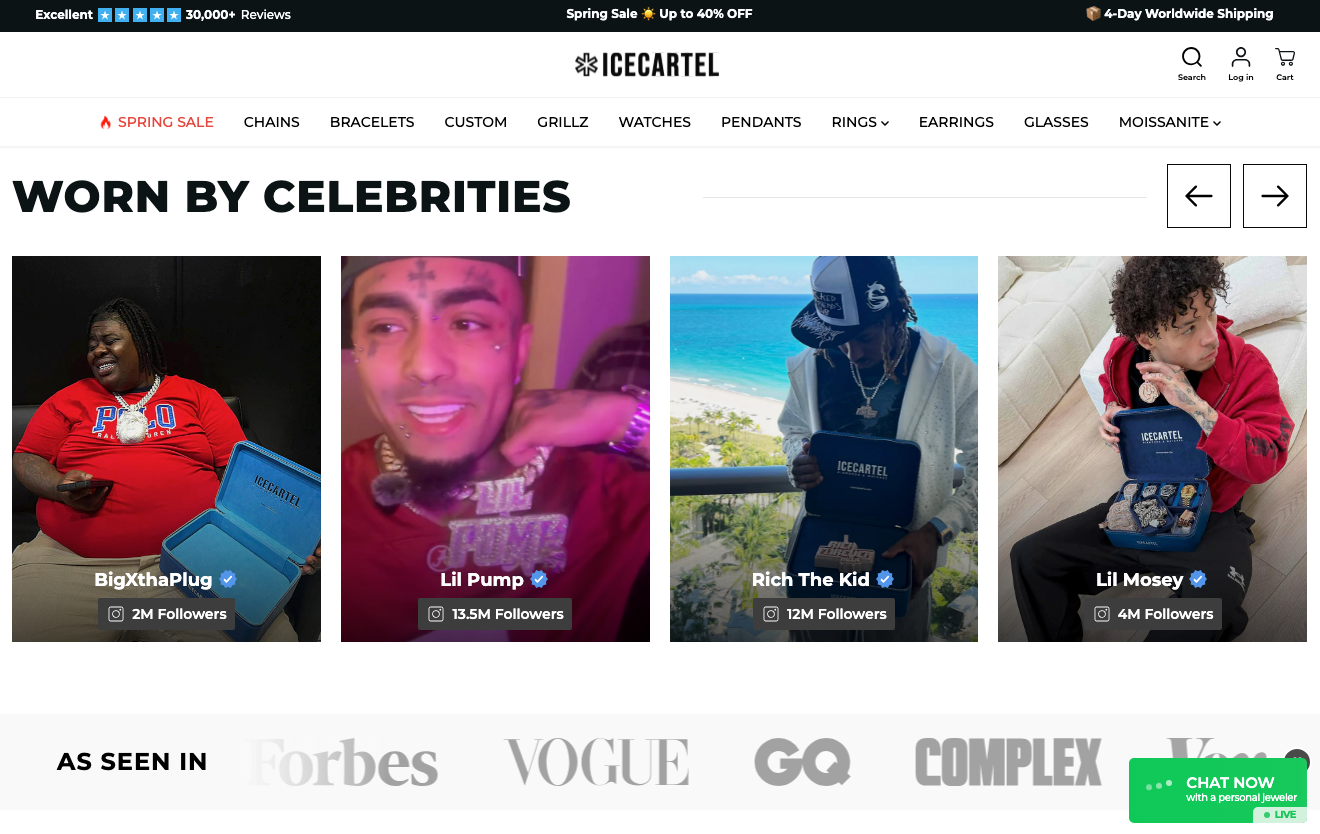
For inspiration on how to do this, take a look at Ice Cartel. This brand knows precisely what makes its target audience convert. So, by centering its design around aspirational marketing and exclusivity (through visuals, influencer collaborations, and copy that highlights craftsmanship), the business effectively engages its core target audience and moves web visitors closer to the conversion stages of the sales cycle.
Align Content With SEO & Search Intent
When targeting potential customers and attempting to draw them into your sales funnel, it’s essential that you find a way to make your brand and products relevant to web visitors. Especially so if you consider that 81% of people ignore marketing messages that don’t seem relevant to their personal shopping experience/priorities.
Naturally, you can effectively drive conversions by investing in personalized content, web design, and marketing tactics. Nonetheless, a simple website design principle to help you avoid the negative effects of irrelevance is simply aligning your on-site content with SEO and search intent.
Essentially, when exploring opportunities to optimize for conversions, do your best to ensure your web content reflects your target audience’s pain points and assists them in resolving those issues. That way, you won’t just attract more people to your website. More importantly, you will ensure they receive relevant value from your brand and move closer to converting into customers.
Standardize Product Images to Enable Easy Visual Comparisons
When shopping in digital settings, consumers use product imagery to decide whether to buy. In fact, research suggests that 75% of people rely on product photography when shopping online, emphasizing the importance of high-quality visuals in conversion-oriented web design.
However, here’s where many B2C websites fail to make the most of this content format. They don’t standardize product images, thus forcing visitors to navigate between various product pages to find a solution that works best for them. Over long sales cycles, this leads to low user experience, informational overload, and may even cause decision fatigue. Yet, the solution is exceptionally simple.
By ensuring that all web images display products in a similar way, you can actively improve consumers’ evaluation process of different products on collection pages. This activity effectively improves user experience. Furthermore, it streamlines web visitors’ movement through the sales funnel.
For example, if you check out Pergola Kits USA, you’ll notice how well this brand implements this B2C website design principle. By using standardized images in its website’s UI, this business makes it exceptionally easy for potential customers to comprehend the (small but important) differences between various product types, effectively making them more likely to discover a product they need and turn into buyers.

Enable Guest Checkout to Reduce Conversion Friction
If you look at some of the biggest obstacles causing low conversion rates on websites, you’ll find that a lack of convenience regularly scores among the top sales-reducing factors.
According to statistical data, slow delivery, mandatory account creation, complicated checkout processes, unsatisfactory return policies, and website crashes ranked as the top reasons for cart abandonment among US consumers in 2025.
Fortunately, many of these are easy to overcome with smart B2C design choices.
For example, by enabling guest checkout, you can prevent 19% of people who don’t want to create an account to shop from leaving your sales funnel.
It’s an easy hack, but it creates convenience (which consumers increasingly seek). Plus, it adds a much-needed dose of trust — especially when using credible third-party apps (like PayPal, Apple Pay, or similar methods) to process customer payments.
Establish Differentiation Efficiently
Even though many shopping decisions depend on product price and buyer convenience — especially in B2C sectors — it’s important to remember that there’s a specific behavior that determines which solutions consumers consider purchasing in the first place.
If you look at the typical buyer’s journey, you’ll quickly realize that it (almost always) incorporates an evaluation stage where consumers decide which of the many options in the market they wish to invest in.
To engage prospects populating the evaluation stage of the sales funnel, you need to invest in high-value differentiation content. However, many businesses make the mistake of failing to ensure accessibility with such resources.
Essentially, if on-site differentiation content (which your prospects need to consume to decide whether your products are a good fit for their needs) is complex, it won’t create confidence. Instead, it’s far more likely to lead to mental fatigue and an exit from the sales funnel.
So, why not use tried-and-tested B2C design principles to reduce cognitive load during this phase of the buyer’s journey?
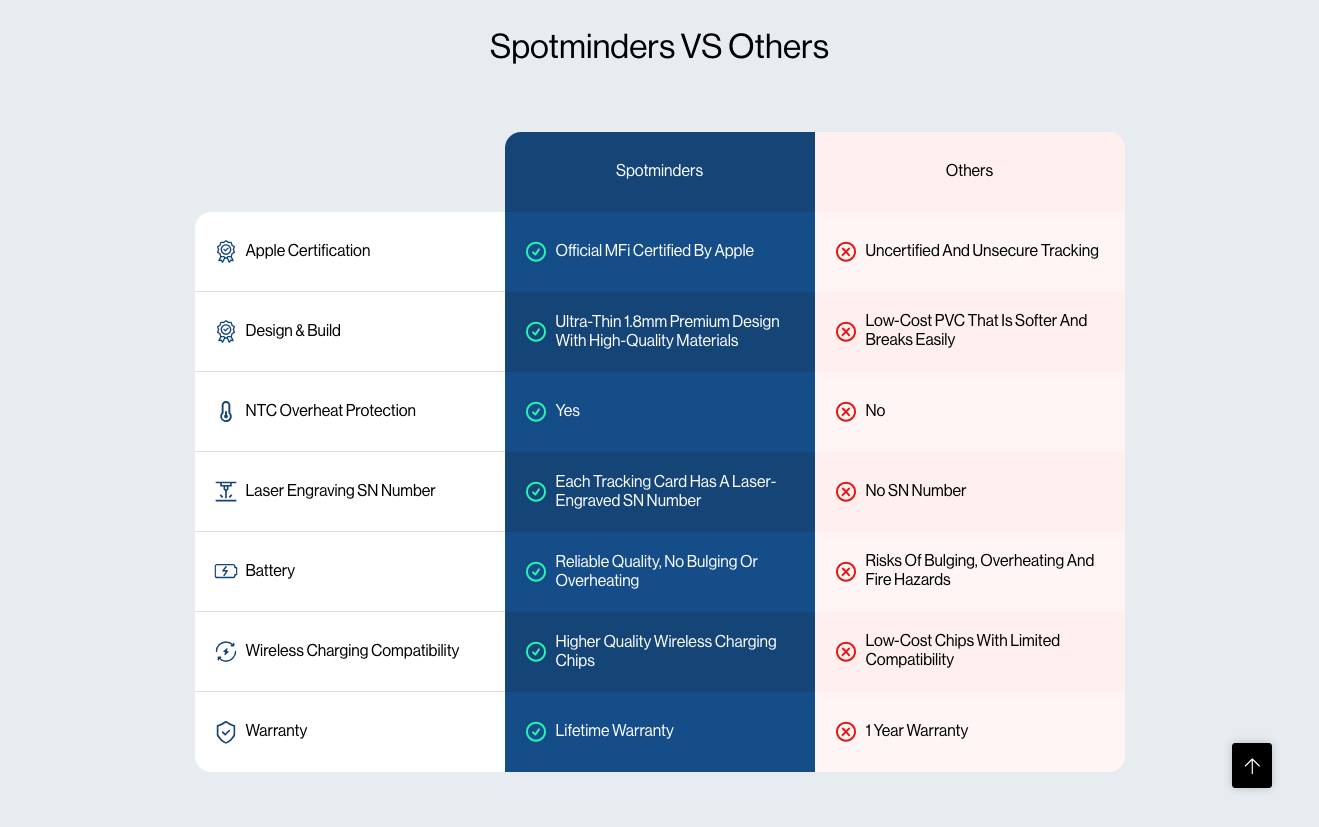
Simple hacks — such as copy formatting, using visuals, or creating direct competitor comparisons — can be especially effective in establishing differentiation without overwhelming web visitors. Take a look at this example from Spotminders:
Use Trust Badges to Establish Confidence Early
Brand trust is an essential factor influencing consumers’ purchase decisions. In fact, some of the latest research on credibility found that people care just as much about brand trust as they do about product quality and price.
So when exploring B2C website design principles that drive conversions, it’s crucial to create systems that build brand and product trust and give web visitors a sense of safety in terms of shopping on your website.
The great news is that establishing confidence — even early on in the buyer’s journey — can be relatively easy.
For instance, by incorporating high-value trust badges into your online presence, you can demonstrate to your audience that your brand is an expert in removing specific pain points or has a positive track record addressing a select set of consumer needs.
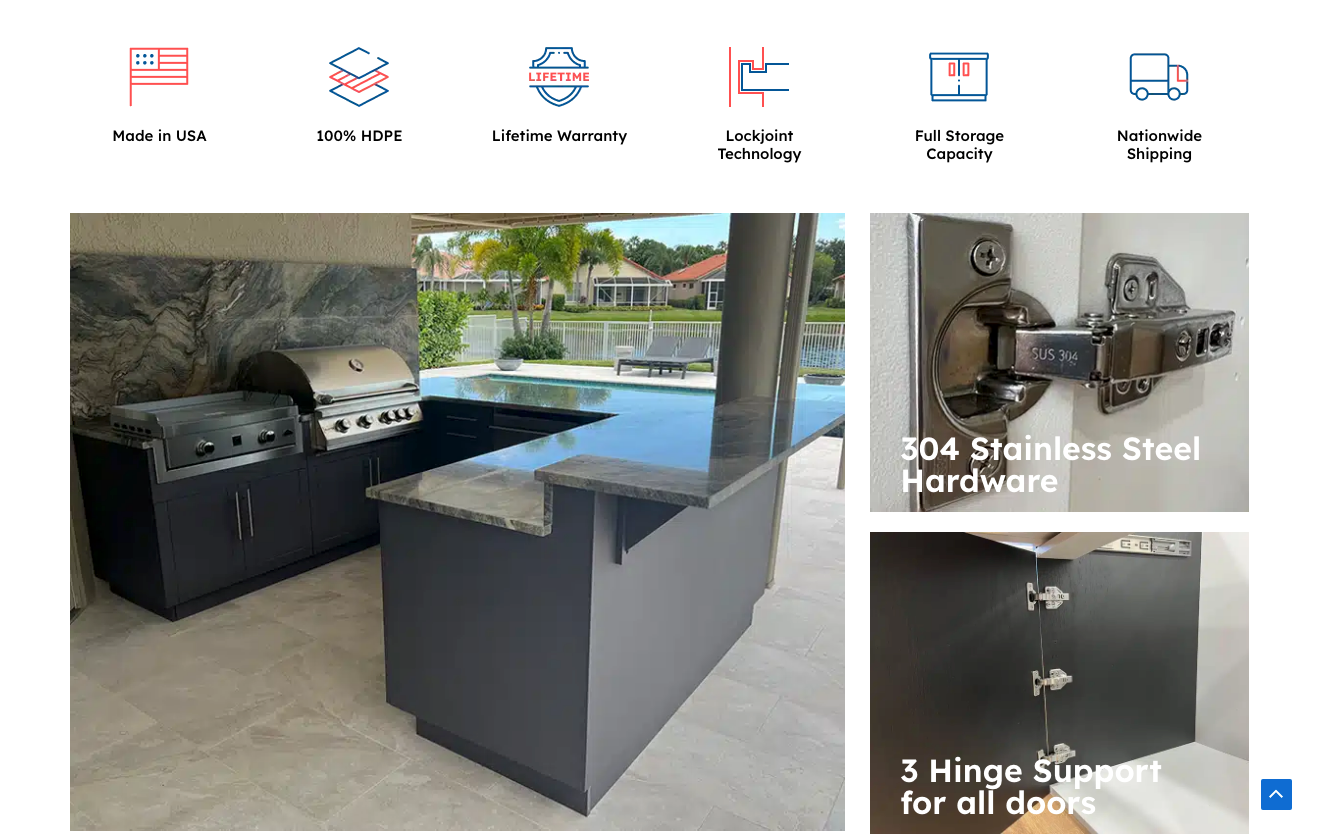
For example, if you check out EXT Cabinets, you’ll notice that this brand heavily features trust badges in its homepage design. By highlighting that its products are made in the USA, come with a lifetime warranty, offer full storage capacity, and are shipped worldwide, EXT instantly develops B2C confidence and ensures that web visitors are prepared to take a deeper dive into its offer (without being held back from a purchase by brand trust-based fears).
Ensure Human Support Is Easily Available
Last but not least, when exploring key B2C design principles that turn browsers into buyers, it’s essential to remember that today’s consumers seek next-level customer experiences from brands. And that includes customer support during all stages of the sales cycle (yes, that means post-purchase as well).
So, to make web visitors more comfortable clicking the ‘Buy’ button, don’t forget to show them that your business plans on delivering exceptional customer support at all stages of their buying journey.
By making it clear that (human) support is easily available at any point of the shopping process — highlighting contact info and using live chat add-ons— you can effectively make your prospects feel more supported while interacting with your brand and maximize their chances of converting into buyers.
Conclusion
Great B2C web design doesn’t have to rely on complicated tactics to encourage conversions. Instead, it could be argued that some of the most effective ways to turn browsers into buyers rest on very basic design principles.
The eight tactics covered in this article are all excellent first (or second, or third) steps toward optimizing your B2C site for conversions.
Naturally, to ensure they result in the highest possible conversion rates, test their performance and adjust as needed. Ultimately, great web design is always customer-centric. So, if you can adjust a strategy to perfectly align with your ideal customers, you’re far more likely to convert new clients than if you implement generic advice without any sort of customization.

 Entrepreneurship